Grainy Gradient Textures Shapes: A Practical Guide to Integrating Visual Depth into Design Workflows
Designers and creators are constantly seeking tools that add visual interest without complicating the creative process. Grainy Gradient Textures Shapes offers a solution by combining the organic feel of textured edges with the vibrancy of neon gradients and abstract vector forms. This curated collection is designed to integrate seamlessly into a wide range of creative and commercial projects, from branding and packaging to digital content and fine art prints.
What Is Grainy Gradient Textures Shapes?
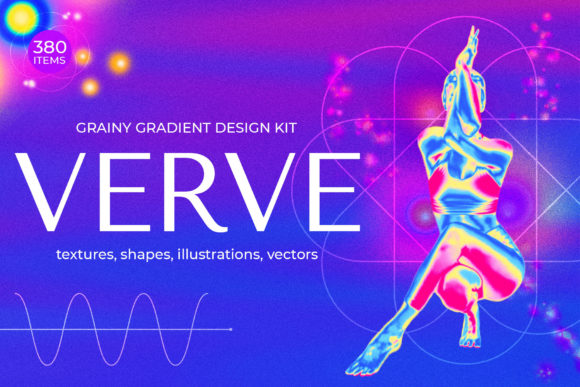
At its core, Grainy Gradient Textures Shapes is a design asset pack containing 380 high-quality, textured gradient elements. It includes 50 JPEG textures at 4500 x 6000 px resolution, ideal for both print and digital use. The collection features:
- Vibrant neon grainy gradients
- Abstract vector shapes with textured edges
- Psychedelic illustrations and landscapes
- Yoga pose illustrations for wellness-focused design
- Instagram post and story backgrounds
These assets are crafted to maintain a cohesive aesthetic across both light and dark backgrounds, making them versatile for a wide variety of applications.
Where Grainy Gradient Textures Shapes Fits in the Creative Process
This collection is not just a set of design files—it’s a toolkit that can be used at multiple stages of a project. Whether you're in the ideation phase or finalizing a deliverable, Grainy Gradient Textures Shapes can enhance your output in a practical and visually compelling way.
Before the Project: Inspiration and Planning
Many designers begin with mood boards or visual references to guide the aesthetic direction. The psychedelic and spiritual themes embedded in this collection make it an excellent source of inspiration for projects related to wellness, astrology, or modern branding. By incorporating sample gradient textures early, you can align stakeholders or team members around a consistent visual language before diving into execution.
Durings the Project: Execution and Enhancement
During the design phase, these textures and shapes can be layered into compositions to add depth and dimension. For example:
- Branding and Packaging: Use neon gradients as background elements in logo designs or product labels to create a modern, eye-catching look.
- Web and App Design: Apply textured gradients to buttons, banners, or landing pages to improve visual engagement without sacrificing usability.
- Social Media Graphics: The included Instagram backgrounds are optimized for mindfulness and self-care content, helping creators maintain a consistent and professional visual identity across posts.
Because the files are delivered in both JPEG and vector formats, they can be easily scaled and edited to fit into common design tools like Adobe Photoshop, Illustrator, or Figma.
After the Project: Repurposing and Long-Term Use
Once a project is complete, the same assets can be reused in related work. For instance, a gradient used in a poster design can later be adapted for a website background or a mobile app splash screen. This level of reusability supports consistency across a brand’s visual identity while reducing the need to source new materials repeatedly.
How Grainy Gradient Textures Shapes Works with Other Tools and Platforms
Compatibility is a key consideration when selecting design assets. This collection is designed to integrate smoothly with standard creative software and digital platforms:
- Adobe Creative Suite: Vector shapes can be edited in Illustrator, while JPEG textures can be layered into Photoshop for compositing and effects.
- Figma and Canva: These textures can be imported as background elements or overlays, especially useful for UI/UX designers and social media creators.
- Print-on-Demand Services: With high-resolution files included, the textures are suitable for print applications such as posters, stickers, and apparel.
Additionally, the textures are designed to work well with other visual elements like typography, icons, and photography, ensuring they don’t overpower but rather enhance the overall design.
Practical Tips for Using Grainy Gradient Textures Shapes
To get the most out of this collection, consider the following implementation strategies:
- Organize by Use Case: Sort the files into folders based on their intended application (e.g., web, print, social media) to streamline your workflow.
- Layer Thoughtfully: Start with a base color or image, then layer a grainy gradient on top at a reduced opacity to add depth without overwhelming the composition.
- Maintain Consistency: Stick to a limited color palette from the gradients to ensure a unified look across multiple assets.
- Test on Light and Dark Modes: Since the textures work on both light and dark backgrounds, preview your designs in both settings to ensure readability and visual harmony.
- Use for Infographics: Combine vector shapes with text and icons to create engaging infographics that are both informative and visually dynamic.
Use Cases Across Industries and Projects
One of the strengths of Grainy Gradient Textures Shapes is its versatility. Here are several ways professionals and creators can apply these assets in real-world scenarios:
- Wellness and Mindfulness Brands: Use yoga illustrations and soft gradients to create calming visuals for meditation apps, wellness blogs, or retreat marketing materials.
- Startups and Modern Brands: Incorporate neon gradients into branding elements to convey energy and innovation, especially in tech, fashion, or creative industries.
- Artists and Print-on-Demand Sellers: Design psychedelic wall art, t-shirts, or stickers that stand out with textured gradients and abstract shapes.
- Educators and Content Creators: Use the vector illustrations to create engaging educational materials or YouTube thumbnails that capture attention.
- Social Media Managers: Maintain a consistent and vibrant aesthetic across Instagram posts and stories using the pre-formatted backgrounds included in the pack.
Long-Term Value and Integration
Investing in a versatile design asset like Grainy Gradient Textures Shapes can yield long-term benefits. Once integrated into your toolkit, it becomes a go-to resource for a wide variety of visual needs. To ensure continued value:
- Update Your Template Library: Save commonly used gradient combinations and shape layouts as templates for faster future use.
- Document Usage: Keep notes on which gradients or shapes worked best for specific projects to inform future decisions.
- Share Across Teams: If you work with a design or marketing team, centralize access to the files for consistent application across departments.
Conclusion
Grainy Gradient Textures Shapes is more than a design trend—it's a practical, adaptable tool that fits naturally into modern creative workflows. Whether you're designing a digital campaign, a product label, or a personal art piece, this collection offers the flexibility and visual richness needed to elevate your work. By understanding how to integrate these textures and shapes effectively, you can streamline your process, maintain visual consistency, and create compelling designs that stand out in any context.