Acupuncture: Understanding Its Role and Relevance in Modern Wellness
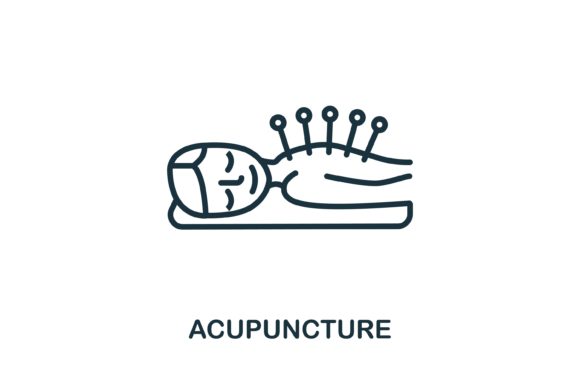
Acupuncture, a practice rooted in traditional Chinese medicine, has gained widespread recognition in contemporary wellness circles. It involves the insertion of fine needles into specific points on the body to stimulate energy flow and promote healing. While its origins date back thousands of years, modern practitioners and patients continue to explore its potential benefits in managing a range of physical and emotional conditions.
What Is Acupuncture?
At its core, acupuncture is based on the concept of Qi (pronounced “chee”), the body’s vital energy. According to traditional beliefs, disruptions in the flow of Qi can lead to illness or discomfort. Acupuncture aims to restore balance by targeting specific points along energy pathways known as meridians. Today, many practitioners integrate Western medical knowledge with traditional techniques, offering a hybrid approach that appeals to a broader audience.
Acupuncture sessions typically last between 20 to 40 minutes. A licensed practitioner inserts thin, sterile needles into designated points on the body, often with minimal discomfort. Some people report feeling a slight tingling or warmth at the insertion site, while others experience a sense of deep relaxation during and after treatment.
Why Consider Acupuncture?
People explore acupuncture for a variety of reasons, often seeking relief from chronic conditions or looking to complement conventional medical treatments. Common motivations include managing pain, reducing stress, improving sleep, and addressing digestive or reproductive health concerns. Some individuals are drawn to its holistic philosophy, which emphasizes the body’s innate ability to heal itself.
Acupuncture has also found a place in integrative medicine, where it’s used alongside conventional therapies to enhance overall well-being. For example, cancer patients may use acupuncture to alleviate chemotherapy-induced nausea or manage pain without relying solely on medication.
Key Benefits and Potential Tradeoffs
Research on acupuncture has yielded mixed but promising results. Studies suggest it may help relieve chronic pain, including lower back pain, osteoarthritis, and migraines. It has also shown potential in reducing symptoms of anxiety, depression, and insomnia. Some individuals find it beneficial for digestive issues like irritable bowel syndrome (IBS) or for supporting fertility treatments.
- Pain relief: Particularly effective for musculoskeletal conditions.
- Stress reduction: Promotes relaxation and mental clarity.
- Complementary therapy: Often used alongside medical treatments.
However, it's important to recognize that acupuncture is not a universal solution. Results can vary significantly from person to person. Some individuals may experience only mild or temporary relief, while others may not notice any effect at all. Additionally, while acupuncture is generally considered safe when performed by a trained professional, there are risks such as bruising, soreness, or infection if proper hygiene and technique are not followed.
When Acupuncture May Be a Strong Fit
Acupuncture may be particularly well-suited for individuals dealing with chronic pain who are looking for non-pharmacological options. It can also be a good choice for those interested in natural, holistic approaches to wellness. People experiencing stress-related conditions or sleep disturbances may also find acupuncture supportive in achieving balance and relief.
Those who have tried conventional treatments without success or who prefer to minimize medication use may view acupuncture as a viable alternative. Additionally, individuals undergoing physical therapy or recovering from injury may incorporate acupuncture into their rehabilitation plan to support healing and mobility.
When to Explore Alternatives
While acupuncture offers potential benefits, it may not be the best fit for everyone. Individuals with a fear of needles may find the treatment uncomfortable or anxiety-inducing. In such cases, alternative therapies like acupressure or massage may provide similar benefits without the use of needles.
For acute or life-threatening conditions, acupuncture should not replace standard medical care. It is not a substitute for emergency treatment or surgery when necessary. People with bleeding disorders or those taking blood-thinning medications should consult with a healthcare provider before undergoing acupuncture, as it may pose additional risks.
Practical Considerations for Decision-Making
Before deciding whether acupuncture is right for you, consider the following factors:
- Consult with a healthcare provider: Especially if you have an existing medical condition or are on medication.
- Check credentials: Ensure your practitioner is licensed and follows proper hygiene and safety protocols.
- Set realistic expectations: Acupuncture often requires multiple sessions to see results.
- Monitor your response: Keep track of how you feel before and after treatments to assess effectiveness.
It’s also helpful to research local practitioners, read reviews, and possibly schedule a consultation before committing to a treatment plan. Many insurance plans now cover acupuncture, so it’s worth checking your coverage to understand potential costs.
Integrating Acupuncture into Your Wellness Plan
If you're considering acupuncture as part of your wellness strategy, it’s best to approach it as one component of a broader self-care routine. Combining acupuncture with healthy lifestyle habits—such as regular exercise, balanced nutrition, and mindfulness practices—can enhance overall results.
Some individuals incorporate acupuncture into seasonal wellness routines, using it during times of increased stress or change in weather. Others find it beneficial to schedule sessions around major life transitions, such as preparing for surgery, recovering from illness, or navigating menopause.
Conclusion
Acupuncture remains a compelling option for those seeking alternative or complementary approaches to health and wellness. While it is not a cure-all, it offers a non-invasive, drug-free method of addressing various conditions. By understanding its potential benefits, limitations, and practical applications, individuals can make informed decisions about whether acupuncture aligns with their personal health goals.